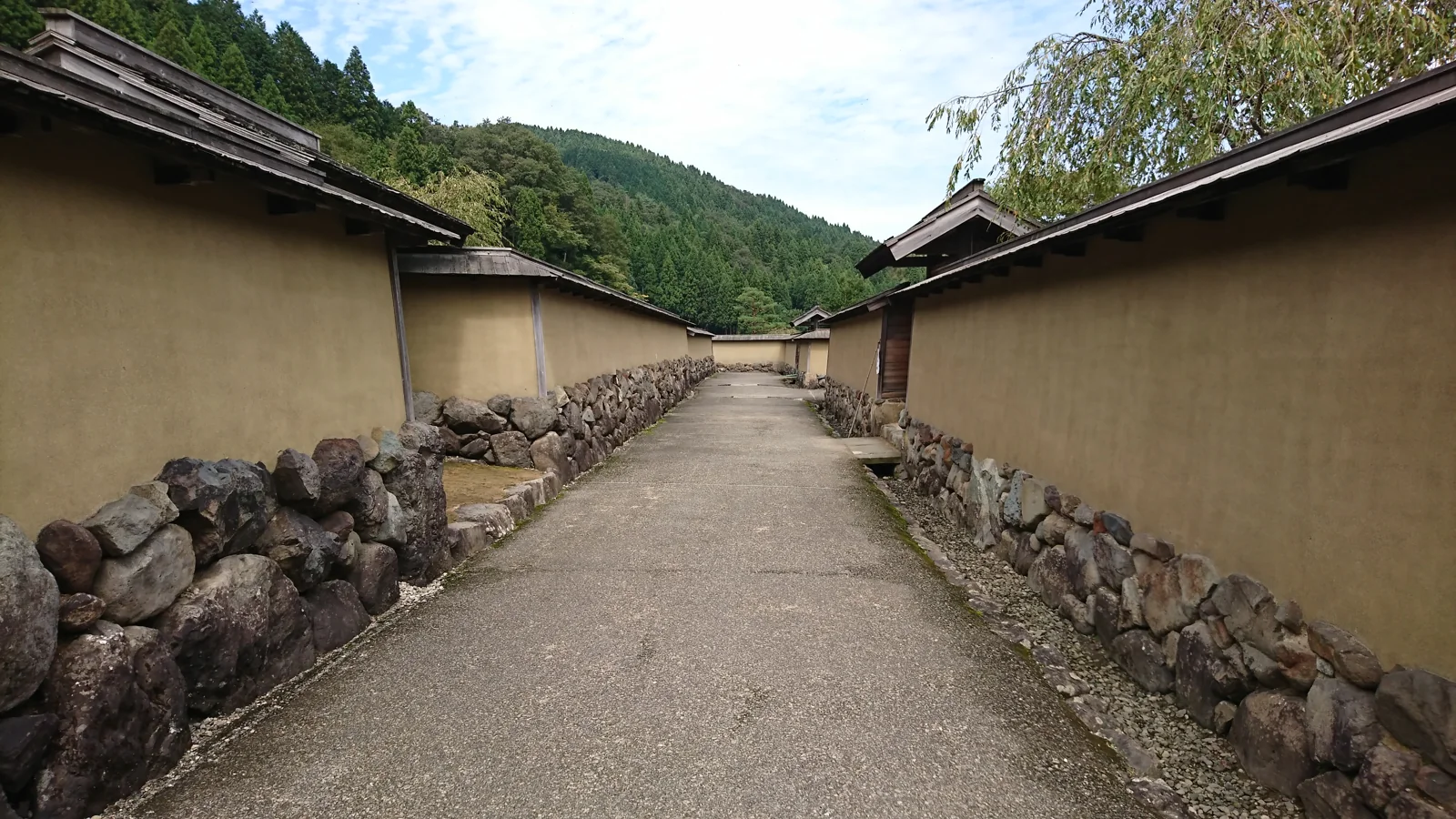
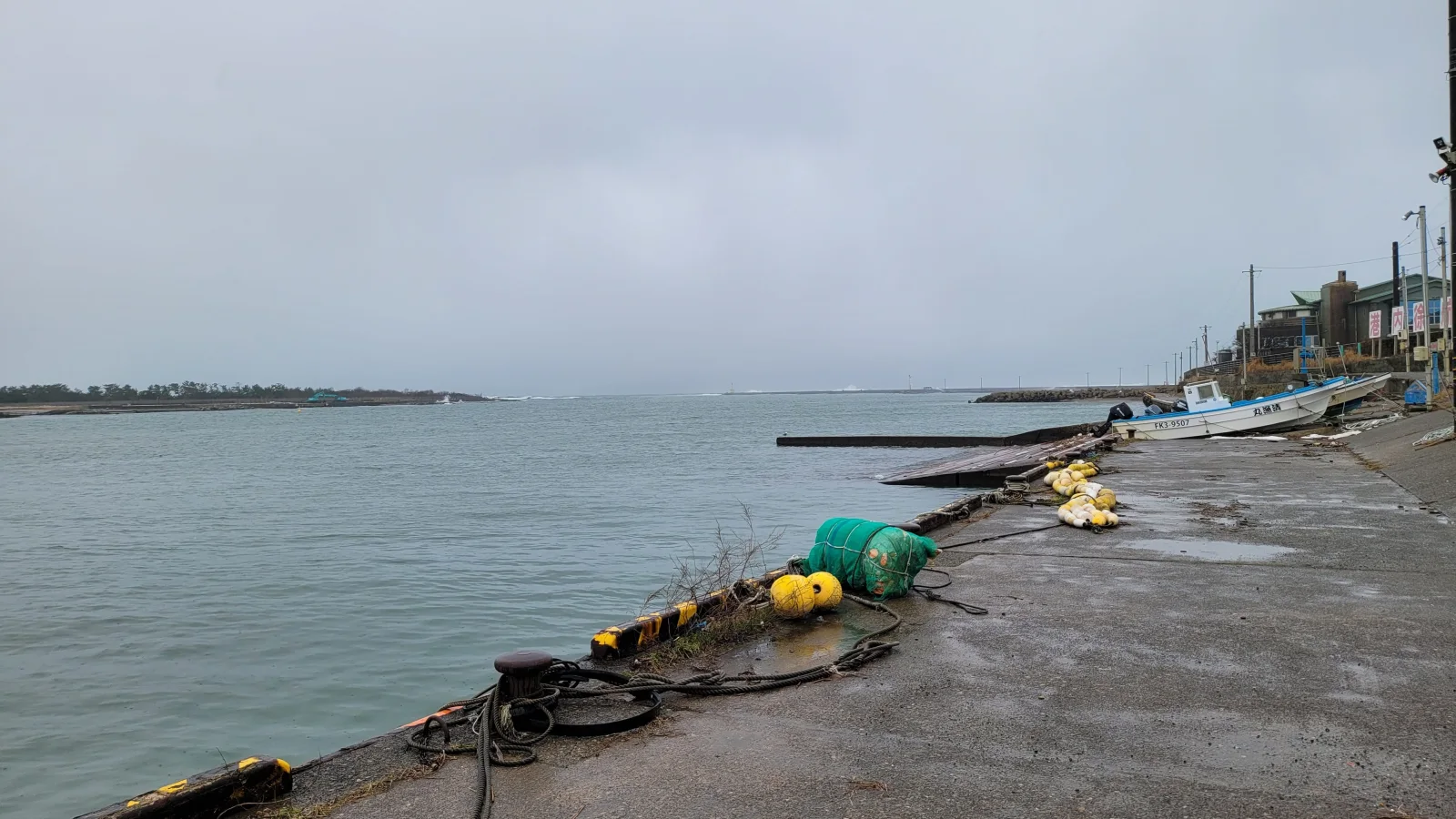
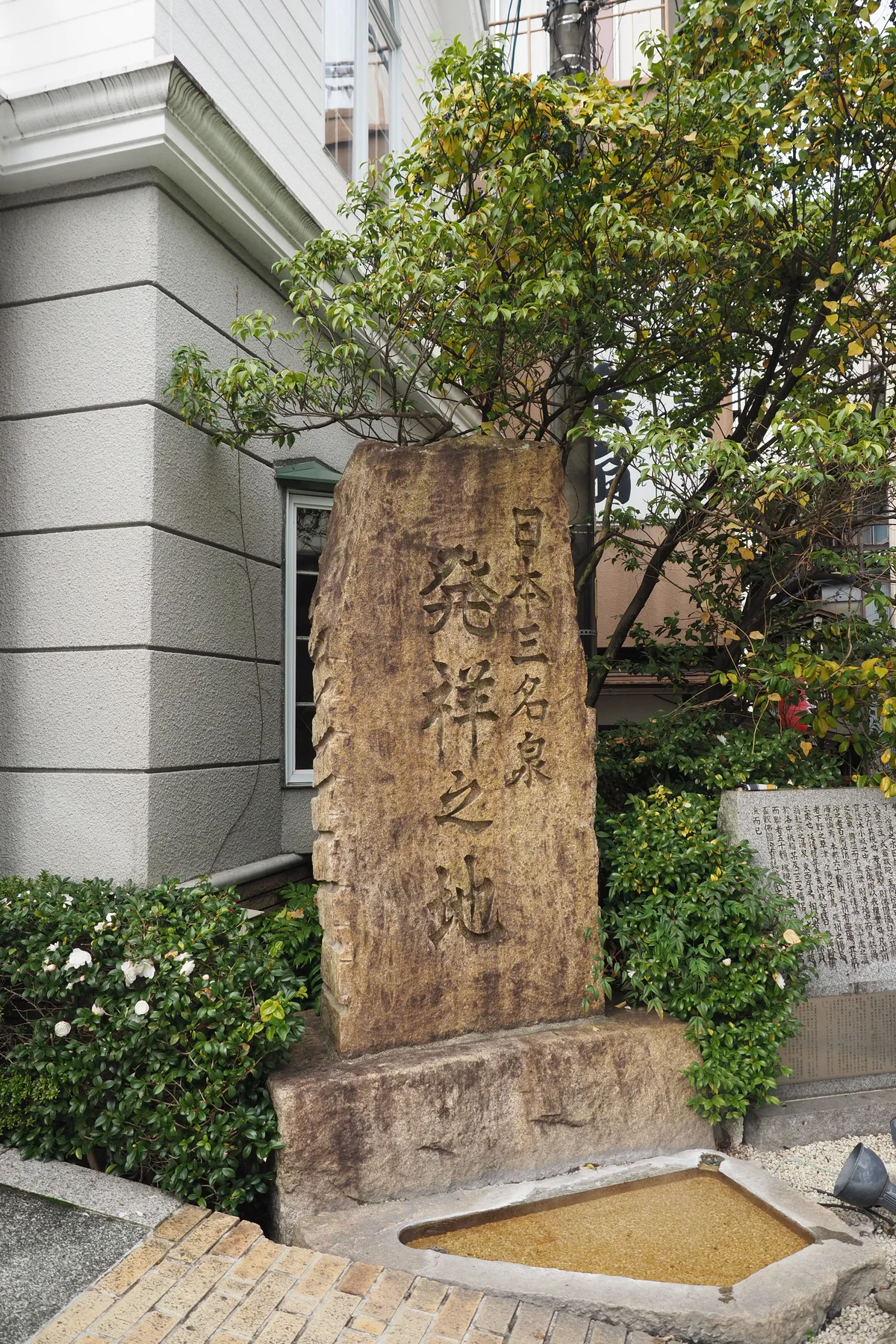
Start at Iseshi Station for Geku and Sengukan, then take a bus to Naiku. Have lunch in Oharai-machi and explore Okage Yokocho. Choose Toba Aquarium or Pearl Island on day two, with shrine hours, sea-otter queues, combination-ticket terms and accommodation choices.
- Region & Focus
- ChubuItinerary planning
- Reading Scope
- 30 min read · 15 chapters · 3 Q&As
- Official Verification
- 28 official sources checkedUpdated 9 November 2026
- Key Topics
- ItinerariesFoodRail travel
Chapter Route Map (tap any stop)
- Divide the trip into Ise on day one and Toba on day two
- Start Geku from Iseshi Station and understand the two deities
- Give Sengukan an hour, or use its closing day for more Naiku time
- Use buses between Geku and Naiku, then trains between Ise and Toba
- Enter Naiku over Uji Bridge and choose river and subsidiary-shrine walks
- Sort out worship etiquette and photography boundaries at the entrance
- Oharai-machi and Okage Yokocho: walk back from the bridge after worship
- Choose Ise udon or tekone sushi for lunch, and Akafuku for a rest
- The shrines open early; the shopping streets mainly operate by day
- Stay near Iseshi Station or in Toba: early worship or seaside dinner
- Give Toba Aquarium half a day, with extra time for sea-otter queues
- Pearl Island: cultivation and ama culture as well as shops
- Check that both attractions fit before buying the combination ticket
- Rain, children and older companions: reduce the number of stops
- Budget separately for admission, transport and one night
- Quick Q&A
For two days in Ise and Toba, give day one to Geku, Naiku and the shrine town, then day two to marine life or pearl culture. Stay near Iseshi Station for less luggage handling and an early shrine visit. Stay in Toba to link a seaside dinner with next morning’s attraction. Both shrines and Oharai-machi deserve a day, and Toba Aquarium needs half a day. Choose the base and day-two priority before buying a two-attraction ticket. Operating information was checked on 27 October 2026.
Divide the trip into Ise on day one and Toba on day two
For a first visit using trains and buses, walk from Iseshi Station to Geku on day one. Visit Sengukan afterwards, then take a bus to Naiku. After Uji Bridge, the Isuzu River and the main sanctuary, return to Oharai-machi for lunch and Okage Yokocho in the afternoon. Collect luggage at Iseshi Station in the evening and stay in Ise or take a train to Toba. Make Toba Aquarium the focus of day two, adding Pearl Island if you have energy. For craft and local industry, Pearl Island can be the main attraction instead.
Suggested walking and rest timings are: Iseshi Station at 08:00, Geku 08:20–09:20, Sengukan 09:30–10:15, then travel to Naiku for a shrine visit around 11:00 and lunch and strolling after 12:30. Skip Sengukan to reach Naiku earlier and avoid arriving at the shops at lunchtime. If you travel from Nagoya or Osaka that morning and arrive near noon, omit Sengukan and visit the shrines in the afternoon. Alternatively, stay overnight and visit Naiku early on day two before Toba, keeping just one Toba attraction.
The Ise City Tourism Association suggests around 30–60 minutes for Geku and 60–90 for Naiku, or about three hours for both including travel. With meals and walks in Oharai-machi and Okage Yokocho, allow five to six hours. Add time for shrine seals, amulets, bridge photographs and rests rather than squeezing them into walking estimates. Weekend queues and traffic consume the afternoon margin, so avoid a very early limited-express return. Tourism association visit-duration guidance
With only one day, complete Geku, Naiku and the shrine town. Aquarium admission, queues and displays need another substantial block; rushing in near closing leaves you watching the clock. With two nights, one in Ise and one in Toba buys an early Naiku visit and seaside dinner, at the cost of another checkout, luggage deposit and check-in. Families with large bags or young children may find two nights near Iseshi Station easier, visiting Toba for the day.
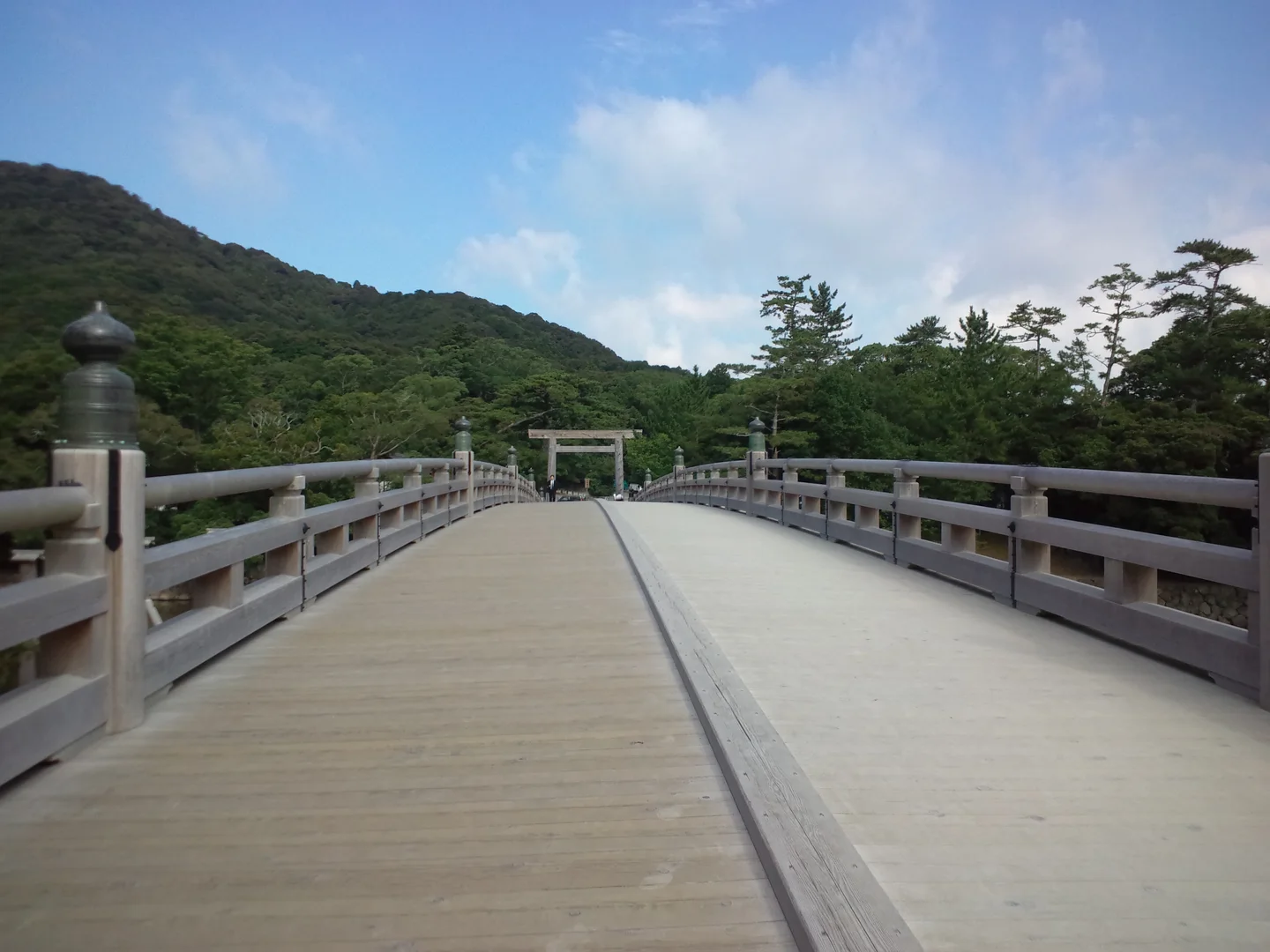
Start at Iseshi Station for Geku and Sengukan, then take a bus to Naiku. Have lunch in Oharai-machi and explore Okage Yokocho. Choose Toba Aquarium or Pearl Island on day two, with shrine hours, sea-otter queues, combination-ticket terms and accommodation choices.
Start Geku from Iseshi Station and understand the two deities
Geku’s formal name is Toyouke Daijingu, dedicated to Toyouke-no-Omikami. Naiku is Kotaijingu, dedicated to Amaterasu-Omikami. The official introduction describes Geku’s deity as providing food for Amaterasu and revered as a deity of clothing, food, shelter and industry. Visiting Geku before Naiku gives a route through the relationships between food offerings, daily life and worship. Geku is also within walking distance of Iseshi Station. Official Geku introduction Geku on Google Maps
Leave Iseshi Station towards Geku and walk along the approach. Sort out breakfast, luggage and toilets before entering. If your hotel is on the other side of the station, distinguish the station exit from the route back to the hotel to avoid a luggage detour later. Use the approach for food on arrival or departure rather than returning for a checklist. Lighter luggage makes buses and gravel paths between the shrines easier.
Inside Geku, follow Hiyokebashi Bridge, the purification basin and the main sanctuary. Visit the main sanctuary first, then add subsidiary shrines according to energy. Taka-no-miya is higher up and involves stone steps. Locate Tsuchi-no-miya and Kaze-no-miya on the official map before deciding on a detour. You need not visit every smaller shrine on a first trip. With older companions, keep the main sanctuary and flatter paths; those climbing to Taka-no-miya can split off briefly and meet at an agreed rest point. Geku precinct map
Geku first is customary, but arrival times can change the order. The tourism association says there is no compulsory sequence and the two shrines can be visited on separate days. With limited time, you can choose one. For two days, visit Geku on the first afternoon and Naiku early the next morning before Toba. Reduce Toba to one attraction rather than stacking all missed visits onto day two. Visit order and separate-day guidance
Give Sengukan an hour, or use its closing day for more Naiku time
Sengukan, the Shikinen Sengu memorial museum beside Geku’s Magatama Pond, fits after Geku. Ordinary worship takes place before the enclosure and does not show the main hall’s interior. The museum’s full-size model of Geku’s main hall helps explain scale and rebuilding crafts. For timber architecture and craftsmanship, an hour here can be more rewarding than another distant subsidiary shrine. For worship and walking only, or hungry children, take the bus to Naiku and save the museum for another visit. Ise Jingu’s Sengukan introduction
Current admission is 09:00–16:00, with viewing until 16:30. General admission is ¥300, primary- and junior-high-school pupils ¥100, and preschool children with a guardian free. It closes on the second and fourth Tuesdays each month, moving to the following day when a public holiday coincides, plus temporary exhibition-change closures. 27 October 2026 is the fourth Tuesday, so a normal 09:30 museum visit does not work that day. Check the date before deciding between museum and bus. Sengukan visitor information
Shikinen Sengu follows a 20-year cycle, including new shrine buildings and transmission of the associated skills. This background gives context to the adjacent empty plots, fences and timber structures in the precincts. Take one question into the museum, such as the hall’s size or how crafts are passed on. For a two-day trip, this can work better than reading every panel. Ise Jingu cultural background
Ise Jingu’s Sengukan film introduces shrine rebuilding and the museum. See how buildings, crafts and displays connect before deciding how much Geku time to spend inside.
Use buses between Geku and Naiku, then trains between Ise and Toba
The tourism association puts Geku and Naiku about 4 km apart. For both shrines and afternoon shopping, prioritise the bus and save walking energy for the precincts and town. Use current Mie Kotsu times and road conditions. From Geku-mae to Naiku-mae, board routes 51 or 55 at stand ③. Route 51 goes via Jingu Chokokan-mae and Isuzugawa Station; route 55 goes via Chosha-mae and does not stop at Isuzugawa Station. At weekends a full bus can mean waiting for the next one. Walking the full urban route is an option for those who actively want to see the streets. Current Geku-mae stand ③ timetable
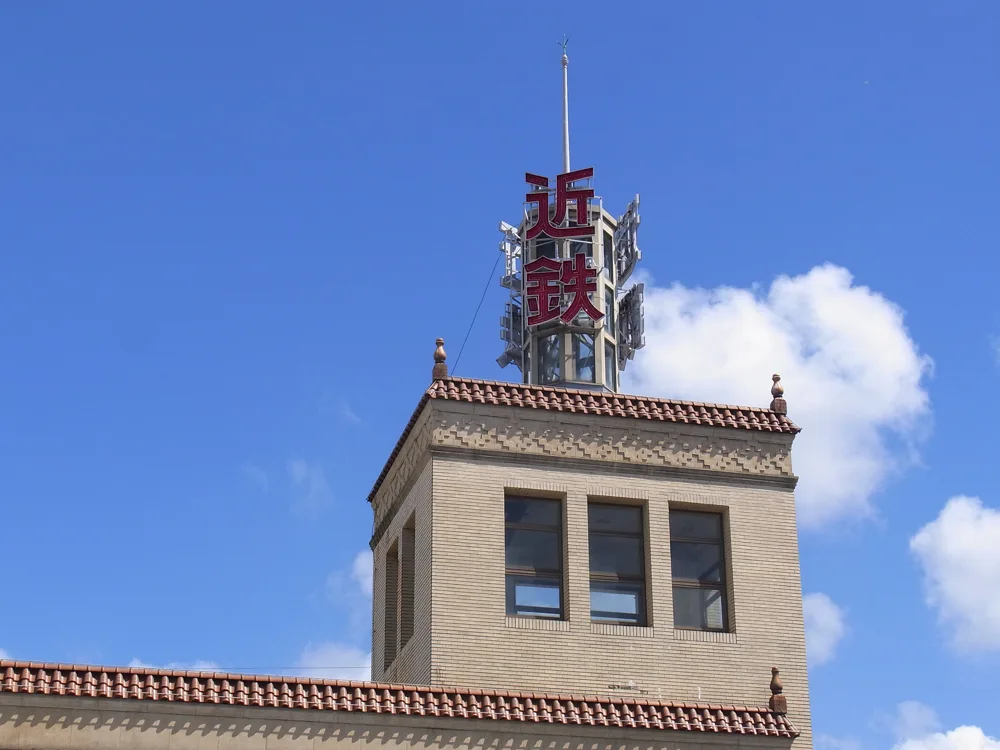
Iseshi, Ujiyamada and Isuzugawa stations may all appear in journey searches. Iseshi is the simplest starting point for Geku. After Naiku, take a bus to Iseshi Station for Kintetsu trains to Toba, or choose route 51 or another service stopping at Isuzugawa. You need not always return to the starting station. However, luggage at Iseshi Station or a nearby hotel makes collecting it first practical. Mark where your bags are before choosing the fastest-looking transfer. Ise Jingu transport information
For Toba Aquarium and Pearl Island on day two, taking the train to Toba and walking is usually simpler than a bus via sightseeing stops from Ise. The CAN Bus is useful for attractions along its route. Without stops such as Futami, an eligible bus journey may be an unnecessary detour. List the places you will actually visit before choosing transport.
For four Kintetsu passes, the plus bus area and limited-express supplements, see the Kintetsu Rail Pass comparison. The one- and two-day passes do not cover Ise and Toba. Five-day and five-day plus passes can be used within their validity areas, but limited-express trains still require a separate reserved-seat limited-express ticket for the chosen service. Ordinary fares are also an option. The Ise–Toba Michikusa bus ticket currently costs adults ¥1,300 for one day or ¥1,900 for two, and children ¥650 or ¥950. For only Geku–Naiku and Naiku–station, total the actual fares first. Walking throughout Toba on day two does not justify a two-day bus ticket simply because the trip lasts two days. Current Mie Kotsu ticket prices
Enter Naiku over Uji Bridge and choose river and subsidiary-shrine walks
Naiku is dedicated to Amaterasu-Omikami. Its official founding story follows the tradition of Yamatohime-no-Mikoto seeking a place for worship. Use that as background while planning the actual walk from Uji Bridge to the main sanctuary. Beyond the bridge are approaches, purification and woodland paths; the sanctuary is not just around the corner from the bus. If family members separate for photographs, agree on the bridge entrance or a clear point near Kaguraden. “The big tree inside” is too vague. Official Naiku introduction Naiku on Google Maps
Uji Bridge crosses the Isuzu River and is the clearest entrance landmark. Secure hats, camera straps and umbrellas before crossing, keeping to the right. Photograph the whole bridge from its approach rather than stopping in the narrow flow of people for an empty view. Early visitors can complete the precinct route before the shops open and find coffee or breakfast afterwards. Do not rely on unopened shrine-town shops for the family’s first meal. Uji Bridge and the Isuzu River
The Isuzu River purification place links ritual cleansing directly with the river. Before going down, check the stones for slippery surfaces and keep children on the safer inner side beside an adult. After rain, or if steps are difficult, use the purification basin instead. The river can be a brief pause before the woodland approach or a place to wait for companions. Avoid crowding washing, photographs and bag organisation together at the water’s edge.
At the stone steps before the main sanctuary, put the camera away before queuing to worship. Ordinary visits focus on the enclosure entrance. For the structure inside, use Sengukan’s model and official building information. Observe the relationship between roof, columns and enclosure rather than stretching a lens towards an unseen area. Leave the queue after worship before rearranging belongings so others can approach. Shrine visiting and photography rules
If energy remains, add Aramatsuri-no-miya or Kazahinomi-no-miya and its bridge using the official map. For a full lunch break, return after the main sanctuary. Choose branches according to companions’ pace. Gravel, steps and photograph stops make a precinct kilometre different from a city pavement kilometre. After both Geku and Naiku, a seated rest may be more useful than another sight. Naiku precinct map
Sort out worship etiquette and photography boundaries at the entrance
Keep left at Geku and right at Naiku, following signs. Bow lightly before a torii. At purification, wash your hands and rinse your mouth with water held in your palm. Worship uses two bows, two claps and one bow. Read instructions outside the queue before approaching, rather than checking a phone in front of the deity. With children, simple directions to walk slowly, speak softly and follow adults are easier than memorising all the terms. Official worship guidance
Photograph Naiku’s main sanctuary only from below the stone steps, and Geku’s from outside the Itagaki Gomon gate and torii. Put cameras away beyond those limits. Current rules also prohibit drones, stepladders, livestreaming or similar video filming, lengthy tripod photography from one location, and commercial photography, including earning income from published images or videos. Media coverage requires advance application. For ordinary souvenir photographs, keep passage clear and stay on paths and behind barriers. Photography rules Main-sanctuary photography positions
The official FAQ gives rules for food and drink in the sacred precincts and directs visitors to rest areas for hydration. Pets must be left at the entrance guard office; large pets may not be accepted. Plan care and waiting arrangements before arrival. Separate ordinary worship from paid prayer rites: allow application and waiting time for the latter without leaving companions standing at the entrance throughout. Ise Jingu FAQ
Oharai-machi and Okage Yokocho: walk back from the bridge after worship
Outside Uji Bridge, the shrine town connects lunch, snacks and souvenirs. Oharai-machi is the approach street; Okage Yokocho is an adjoining district within it. Signs for both names do not mean you have gone the wrong way. Visit the shrine first, then walk from the bridge into the streets and stop where you want to eat. Shopping and snacking all the way in can leave little afternoon for the precincts. Okage Yokocho on Google Maps
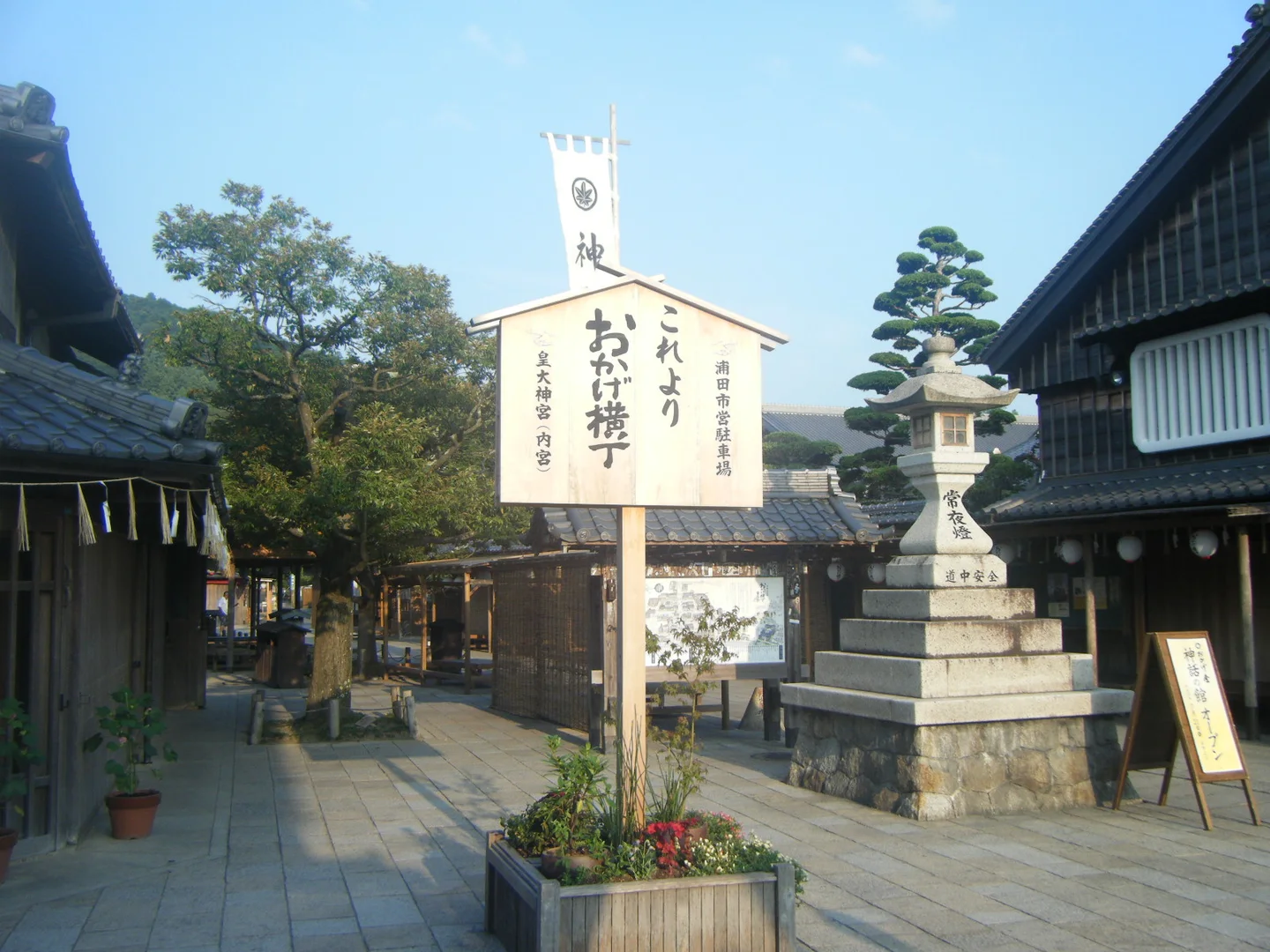
Okage Yokocho opened in 1993, with buildings arranged in the style of Ise townhouses from the Edo to Meiji periods. Enjoy its shrine-town culture, food and shops with that background in mind. Look at timber fronts, tiles and corners rather than seeking centuries-old original fabric in every building. Architecture enthusiasts can study eaves and layered corners; others can sit down for noodles after worship. Okage Yokocho architecture guide
You need not reach the deepest part to enjoy the district. With older people or pushchairs, a main-street stretch and one side lane can be enough. Eat inside shops or at designated places before rejoining the crowd. If no restaurant suits everyone, choose a seated main meal and buy individual snacks later. Agree on a distinct shop sign or official information office for meeting. “Near Akafuku” can be ambiguous among queues and junctions.
For a townhouse detail, look at the roof tiles of Fukusuke, the Ise udon shop. Okage Yokocho’s architecture article describes lyrics from Ise Ondo on the tiles. These songs relate to the flow of shrine pilgrims. Looking up from the menu reveals another part of local culture. Ise Ondo roof tiles
Choose Ise udon or tekone sushi for lunch, and Akafuku for a rest
Start with a main meal you can eat sitting down. Ise udon has soft noodles mixed with a dark sauce, unlike firmer udon. Tekone sushi is an Ise-Shima fish-and-vinegared-rice dish. If family members differ over raw fish, check for cooked alternatives before entering. Two people can choose different mains to try both without each eating two meals and losing the afternoon rest. Sushikyu’s official dish introduction
Akafuku suits a seated break after worship. Before buying takeaway, read the pack’s storage and use-by instructions. Eat items on site if you face a long train journey and cannot refrigerate them at the hotel. Choose meat snacks, tea and local foods according to appetite. One or two planned purchases leave room for unexpected finds. With children, have the main meal before sweets to avoid needing toilets and seats halfway through another queue.
For allergies, vegetarian meals or cooked-food needs, show ingredients you cannot eat in Japanese or clear translated text before ordering. Include stock and sauces. Udon without visible meat may still contain fish-based stock; raw-fish sushi, fried meat and sweets have different ingredients. Save the requirements offline rather than reciting a long list at a busy counter. Identify an alternative restaurant before joining a queue.
The shrines open early; the shopping streets mainly operate by day
Both shrines share visiting hours: 05:00–18:00 in January–April and September, 05:00–19:00 in May–August, and 05:00–17:00 in October–December, with New Year adjustments. On an autumn or winter afternoon, visit Naiku before shopping. Do not wait until 16:30 to seek the main sanctuary. Staying in Ise moves the long train journey to the previous day for an early visit, but you still need transport from hotel to entrance. A 05:00 shrine opening does not mean buses and breakfast shops start then. Seasonal shrine hours
Okage Yokocho’s current general shop hours are 09:30–17:30 in October and 09:30–17:00 in November and December. Restaurants have individual opening times. The official calendar for 27 October 2026 also gives 09:30–17:30. Plan dinner near your accommodation once daytime shops close. The Shinnon Kansha Akari no Matsuri runs from 10 October–24 November 2026, with lanterns lit from dusk until around 20:00. Separate an evening stroll from daytime dining. Lantern-festival dates and lighting times October 2026 calendar, seasonal hours
First-of-the-month Tsuitachi openings differ from normal days, and festivals may extend hours. They can justify a dedicated visit but change crowds and transport. A standard two-day trip need not rearrange every hotel for Tsuitachi. If already booked then, separate breakfast from queuing and avoid committing to a non-cancellable brunch while seeking an early event. Special shop hours and shrine festival restrictions affect accessible routes.
Stay near Iseshi Station or in Toba: early worship or seaside dinner
For one night, substantial luggage and departure from Mie on day two, Iseshi Station is a practical base. Deposit bags, visit the shrines and shops, and return for the evening. Travel light to Toba next day and collect bags on the way back. This adds a return to Ise but avoids suitcases in the aquarium or storage arrangements with a new hotel. It works well when your onward train passes through Ise anyway.
Move to Toba on the first evening for opening-time aquarium entry, a seaside dinner or hotel bathing. Put the station transfer, last shuttle and dinner start on one page before booking. “Toba accommodation” may mean a walk from the station or a bay needing a shuttle. Leaving Naiku, collecting luggage, taking the train and waiting for the hotel vehicle each take time. For dinner-inclusive stays, work backwards from the hotel’s meal time to leaving the shops.
Filter rooms by whether children count in bed-sharing limits, the actual sleeping places and whether public-bath hours fit dinner. Three travellers need three beds or an extra-bed plan; Japanese-style rooms need suitable occupancy and futon arrangements. For adjoining rooms, a specified view or a private bath, choose a plan explicitly offering them. Include luggage-storage closing times if your return train is already fixed.
There is no need to change hotels daily. Move from Ise to Toba for more seaside time or earlier attraction entry, not simply to sleep in both cities. Record cancellation dates and percentages for the booked rate. For typhoons or suspended trains, contact the hotel and booking platform; transport suspension does not automatically make every room rate refundable.
Give Toba Aquarium half a day, with extra time for sea-otter queues
Walk from Toba Station, or use Kintetsu Nakanogo Station if it suits your direction. The official guide gives about two hours for a circuit, with no fixed route. With children, longer animal viewing, lunch and sea-otter queues, keep the morning through after lunch available. Check the day’s programme and map on entry, start with preferred displays and continue to adjacent areas to reduce repeated crossings. Aquarium hours and visitor guide Toba Aquarium on Google Maps
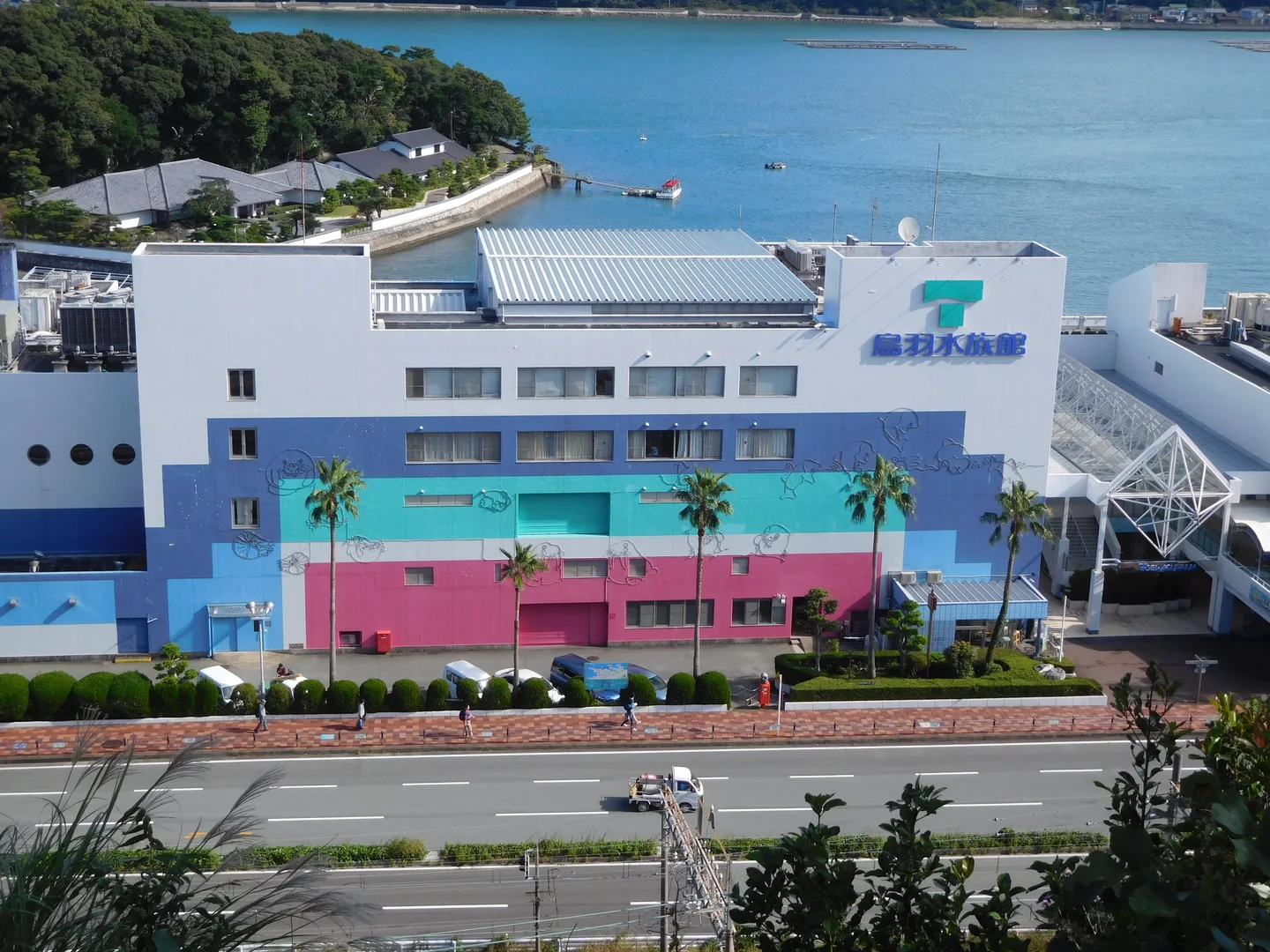
Ordinary hours are 09:30–17:00. In summer it opens 30 minutes earlier and closes 30 minutes later. Last entry is one hour before closing, and it opens year-round. Individual tickets cost adults ¥2,800, primary- and junior-high-school pupils ¥1,600, and preschool children aged 3 and above ¥800. Young children have their own price band. If you only want a harbour walk on day two, a combination ticket is no reason to add the aquarium. Aquarium prices
At Toba Aquarium's 3 November 2026 notice, sea otter Kira was reported unwell and sea-otter viewing and live streaming were suspended from 4 November; a 5 November notice confirms the suspension continues. The 3 November notice also states that resumption will be announced on the official site and X. With sea otters off show, switch to the aquarium's other zones or add Pearl Island and a harbour walk. The pre-suspension viewing rules — one-minute rotations and a 16:30 queue cutoff — applied to viewing before the suspension.
The aquarium also rewards comparing animals and waters. Choose tanks children want to watch rather than rushing through a popularity list. Leave time for swimming, feeding and resting behaviour. Turn off photography functions that disturb animals and obey display signs. Keep views open for people behind you rather than having every family phone extended forward. Observe animals under live care without making a particular action a compulsory target.
Eat inside or after leaving, checking re-entry and available services when buying. If Pearl Island follows, have lunch before crossing. A lunch delayed beyond 14:00 makes its museum and ama demonstration tighter. With young children, omit the second attraction and combine aquarium, lunch and a short harbour walk before an evening train from Toba.
Pearl Island: cultivation and ama culture as well as shops
A bridge connects central Toba to Mikimoto Pearl Island. The Pearl Museum, Kokichi Mikimoto Memorial Hall and ama diving demonstrations form the main visit. For jewellery craft and local industrial history, use day two’s morning here and save the aquarium for another trip. Families more interested in marine life can reverse this, with Pearl Island an optional afternoon addition. Nearby attractions still each need admission, viewing, rest and exit time. Pearl Island visitor information Pearl Island on Google Maps
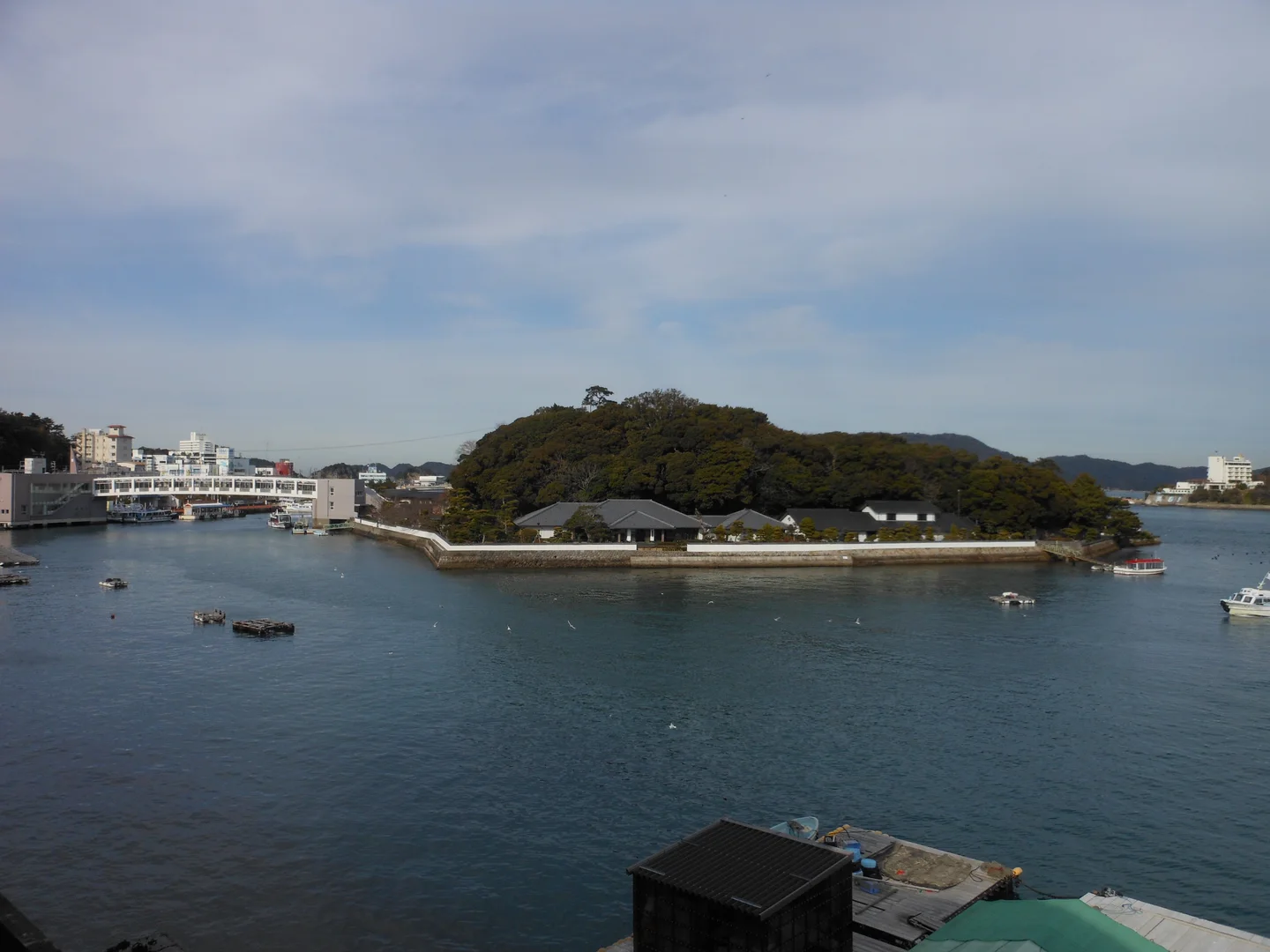
Follow the pearl from an oyster in the sea to selection, finishing and wearing. Cultivation, quality and craft are separate stages. Seeing the museum before the sales area helps explain the island beyond jewellery prices. History visitors and shoppers can agree on a meeting time, so one person’s shopping does not turn everyone else’s visit into waiting.
Ama demonstrations are included in admission. Confirm the day’s times at the entrance, choose a demonstration, then fit the museum around it. This public display of diving culture is a separate activity from booking a meal at an ama hut in a fishing village. For two days around Toba Station, it avoids another distant coastal transfer. Bring a removable outer layer for sea wind and move indoors after the demonstration.
Current individual admission is ¥1,650 for adults of upper-secondary-school age and above, and ¥820 for primary- and junior-high-school pupils. Hours are 09:00–17:00 from 13 October–26 November 2026, then close earlier at 16:30 from 27 November–22 December. Ticket sales end 60 minutes before closing. The annual three-day closure starts on December’s second Tuesday: 8–10 December in 2026. Use the last ticket-sale time as the planning limit. If leaving the aquarium at 15:30 in autumn or winter, decide whether enough museum time remains before entering. Pearl Island 2026 hours and admission
For both attractions, aim to enter Pearl Island around 13:30–14:00 after lunch. Check ama times first, then see the museum and memorial hall. This is the tighter version and must shrink if the sea-otter queue is long. For slow panel reading, choose one attraction and use the other part of the day for harbour tea or hotel bathing. Buying paid admission early reduces flexibility; choose the combination once energy and weather are clear.
Check that both attractions fit before buying the combination ticket
Pearl Island currently lists the online-only Toba W Coupon for aquarium and Pearl Island admission at ¥4,000 per adult of upper-secondary-school age and above, or ¥2,100 per primary- or junior-high-school pupil. Separate adult admission totals ¥4,450, a ¥450 saving; pupil admission totals ¥2,420, a ¥320 saving. It suits visitors already planning both. Adding an afternoon attraction just to save ¥450 increases the total cost and walking if you originally wanted only the aquarium. Toba W combination ticket
The combination ticket is valid for one month from purchase. The purchaser can cancel within validity if it remains unused. Once one attraction has been used, do not treat skipping the second as eligibility for the same full cancellation. A three-facility offer also includes the Toba Bay cruise and Dolphin Island. With day one already devoted to Ise, three day-two facilities usually shorten each visit. Cruise enthusiasts could choose Pearl Island and the cruise, saving the aquarium for later.
The aquarium charges preschool children aged 3 and above separately, while the W Coupon’s child band covers primary- and junior-high-school pupils. Total each traveller’s actual category. For third-party purchases, use that product page’s cancellation, validity and rescheduling terms. Save the order and QR code offline. Buying and entering remain separate steps: follow each attraction’s entrance and day-of-visit instructions.
Rain, children and older companions: reduce the number of stops
In light rain, both shrines still involve walking. Shorten shopping and spend longer inside Sengukan if open. In persistent heavy rain or strong wind, swap the days: aquarium first, shrines on the calmer day. Fixed attraction tickets and dinner-inclusive accommodation reduce that freedom. Include something removable from the start so weather changes have a clear response.
Pushchairs meet gravel, steps and busy streets. At both shrine entrances, electric or manual wheelchairs needing help from a companion are available from guard offices. They are first come, first served, cannot be reserved and are for the shrine visit only. Use official maps to assess stepped branches such as Taka-no-miya and Aramatsuri-no-miya. For full accessibility assistance, ask the shrine beforehand about your wheelchair, support needs and intended paths. Wheelchair lending information
For fixed naps, put lunch after Naiku, keep the shrine-town walk short and return to rest. Slow the aquarium visit on day two and keep Pearl Island optional. Older companions need seated meals; fitter visitors can take the Taka-no-miya climb or extra Naiku branches separately. Splitting for ten minutes and meeting again can be easier than keeping a tired group walking for one photograph.
In high summer, visit both shrines early and plan water, hats and rests. In winter, account for 17:00 closing and falling evening temperatures, ending worship and river time earlier. Toba’s sea wind differs from Ise’s woods; keep an outer layer within reach. If someone is exhausted, dizzy or unwell, rest and seek help as appropriate rather than relying on another coffee to finish the sights.
Budget separately for admission, transport and one night
Ordinary shrine visits are free; Sengukan and Toba attractions charge separately. An adult visiting Sengukan and using the Toba two-attraction ticket pays ¥4,300 for these cultural and attraction admissions. Sengukan plus the aquarium alone costs ¥3,100, a ¥1,200 difference that also frees an afternoon. These totals exclude long-distance trains, local transport, meals and accommodation. Compare attractions first, then add actual room and train prices. Sengukan admission, aquarium admission
Record three transport parts: your starting city to Ise, buses between shrines and back to the station, and rail between Ise and Toba. Add limited-express supplements and out-of-area journeys to passes. Drivers need parking costs and hotel parking conditions. Include the evening luggage-collection journey if moving to Toba. Draw the route in order from start to base to finish so returning for suitcases is counted.
Allow each day a seated lunch, dinner and snacks rather than treating Akafuku, fried snacks and tea as all the meals. With dinner and breakfast included, check arrival before dinner and the desired train after breakfast. Without meals, station-area dining and breakfast shops become part of the location choice. Keep time at the end for Toba Station, luggage and toilets. Open food souvenirs after boarding the return train rather than while rushing to the platform.
A few useful answers
Must I visit Geku and Naiku on the same day?
No. They can be visited on separate days, and there is no compulsory order. Afternoon arrivals can visit Geku first and Naiku early next morning. Reduce Toba to one attraction, keeping time for transport and lunch.
Can I visit Toba Aquarium and Pearl Island in one day?
Yes. Aquarium in the morning and Pearl Island after lunch is a tighter plan. With a long sea-otter queue, young children or a preference for slow museum visits, one attraction and a harbour walk are more relaxed.
Is Okage Yokocho suitable for dinner?
It mainly operates by day. General shop hours are 09:30–17:30 in October and until 17:00 in November and December; restaurants have their own opening times. Plan dinner near your accommodation and check the official calendar for special openings.
Official information and references
Sources used in this guide.
- Ise Jingu: visiting hours
- Ise Jingu: Geku
- Ise Jingu: Naiku
- Ise Jingu: Uji Bridge and Isuzu River
- Ise Jingu: Geku precinct map
- Ise Jingu: Naiku precinct map
- Ise Jingu: FAQ
- Ise Jingu: access
- Ise Jingu: history and culture
- Ise City Tourism Association: visit duration and order
- Sengukan: visitor information
- Okage Yokocho: origins and seasonal hours
- Okage Yokocho: October 2026 calendar
- Mie Kotsu: Michikusa ticket
- Toba Aquarium: visitor guide
- Toba Aquarium: admission prices
- Toba Aquarium: sea-otter viewing
- Mikimoto Pearl Island: hours, prices and combination tickets
- Mikimoto Pearl Island: FAQ
- Ise Jingu: worship and walking directions
- Okage Yokocho: Sushikyu tekone sushi
- Okage Yokocho: Ise Ondo roof tiles and townhouse styles
- Mie Kotsu: Geku-mae stand ③ timetable
- Ise Jingu: main-sanctuary photography positions and media applications
- Okage Yokocho: 2026 Shinnon Kansha lantern festival
- Toba W Coupon official Webket | validity and full-cancellation terms
- Toba Aquarium | 3 Nov 2026 sea-otter viewing suspension and live-stream stop notice
- Toba Aquarium | 5 Nov 2026 notice on Kira's death and continued display suspension