Plan Radio Kaikan and MANDARAKE branches by figure accessories, card editions, used-game functions and return channels. Includes the November 2026 tax-refund system and two- and four-hour routes.
- Region & Focus
- TokyoNeighborhoods and shopping
- Reading Scope
- 27 min read · 17 chapters · 5 Q&As
- Official Verification
- 11 official sources checkedUpdated October 28, 2026
- Key Topics
- NeighborhoodsItinerariesTokyo & Kanto
Chapter Route Map (tap any stop)
- Before leaving, turn a favorite character into an identifiable product
- Locate Electric Town Exit, Radio Kaikan and the Sotokanda side streets
- Figure route: Radio Kaikan at 11:00, secondhand hunting after lunch
- Card route: ninth-floor main store, card number before price
- Complex’s categories are split: games and cards are in another building
- Read used-item tags separately for the item, box and accessories
- Use MANDARAKE’s ten-point grades as its own system
- Check authenticity and editions against manufacturer information
- Used-game route: start with either Super Potato or Complex 2
- Are you buying a playable game or a complete boxed collectible?
- Ask about returns before checkout; separate online and shop purchases
- From November 2026, pay tax first and receive a refund after departure checks
- Large figure boxes: measure luggage space before deciding how many to buy
- Shipping home and carrying goods out require different tax handling
- Rain, strollers and different interests: reduce the route to one building
- Two-hour and four-hour routes with a clear finish
- Before leaving, keep the details you will need later together
- Quick Q&A
For collectibles in Akihabara, write down the edition and condition you want before choosing floors. For figures, link Radio Kaikan’s fourth floor with the main Complex building; for cards, identify Card Labo’s main store on the ninth floor; for used games, choose Super Potato or Complex 2’s third floor. Give half a day to one main category, leaving time to inspect purchases, ask about returns and plan how to take them home.
Before leaving, turn a favorite character into an identifiable product
One character may appear as a prize figure, collectible figure, model kit, articulated toy or acrylic stand. Saving only a character image still makes price comparisons difficult at the display case. List at least the Japanese title, character, manufacturer, series and edition, plus an image of the full packaging and accessories. Add the scale for scale models, series name for articulated toys, and card number, language and edition for cards. Only an exact product lets you compare two shops’ prices.
Split your list into must-find items and opportunistic buys. For must-finds, record acceptable condition, such as a complete figure with a dented box, or mandatory first-release bonus parts. Set a total cap for opportunistic buys using the tax-inclusive amount you pay, with separate money for protective cases, packing and luggage. Collectors accepting only pristine boxes often need different shelves from those who will open and display their purchases.
Choose figures, cards or used games as the main focus of your half-day. Figures and cards can be combined inside Radio Kaikan, but games need extra time for testing and checking editions. If two people have different interests, each can choose a main floor and agree to meet downstairs rather than leaving one waiting by the same cases through every shop. These routes are for personal collectibles you can take home; use your own spending limit.
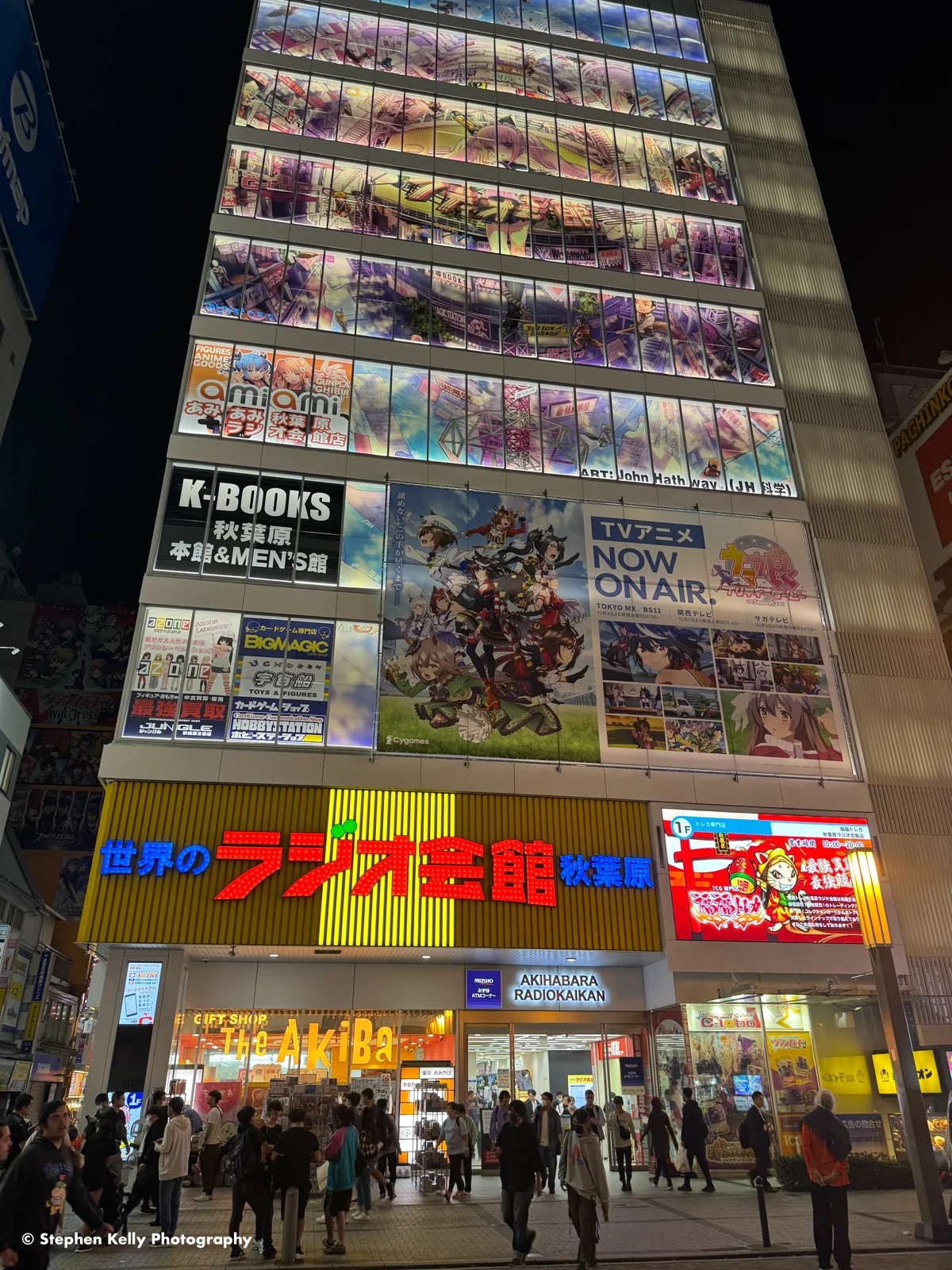
Plan Radio Kaikan and MANDARAKE branches by figure accessories, card editions, used-game functions and return channels. Includes the November 2026 tax-refund system and two- and four-hour routes.
Locate Electric Town Exit, Radio Kaikan and the Sotokanda side streets
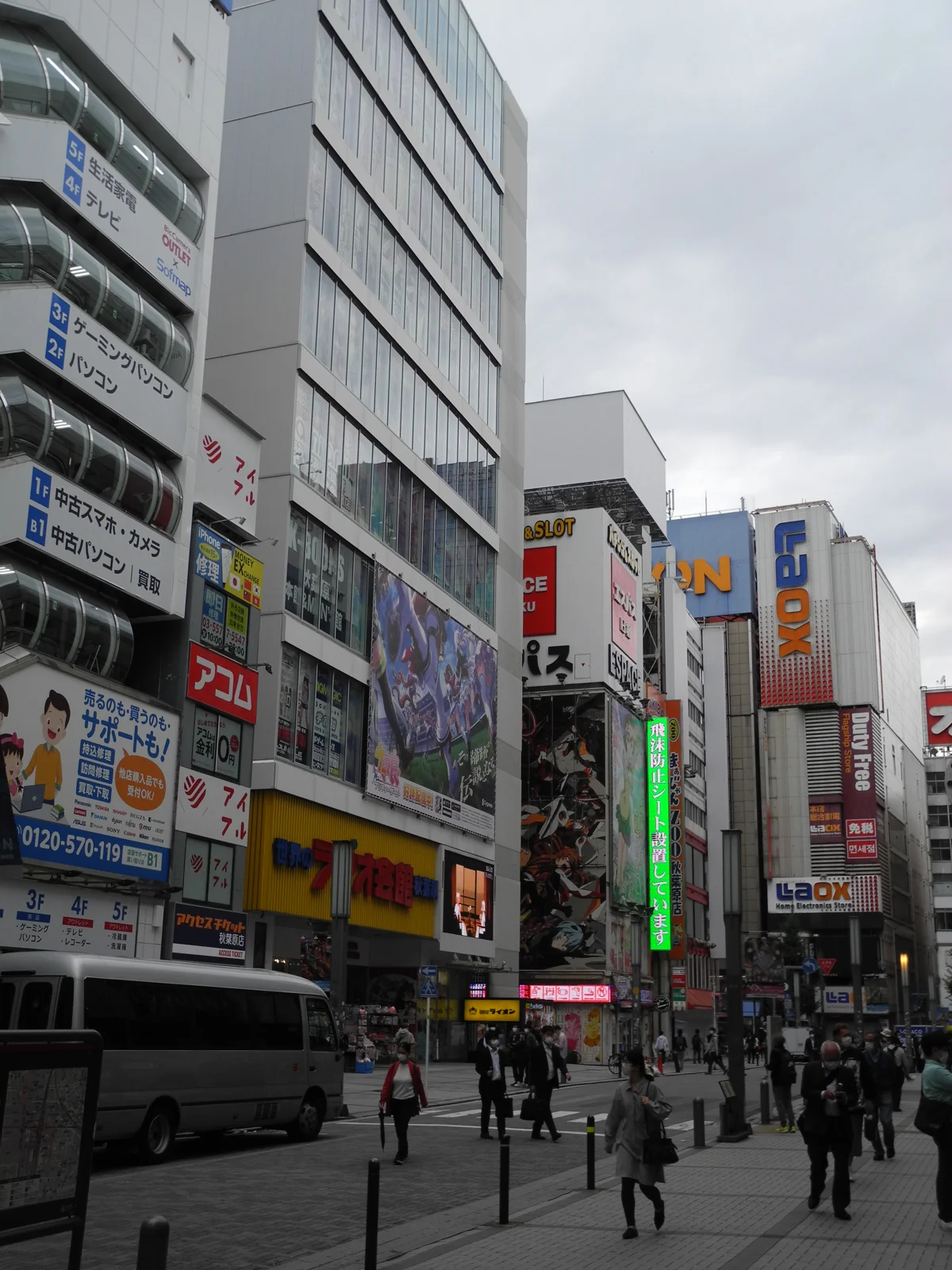
Start at JR Akihabara’s Electric Town Exit. Radio Kaikan is at 1-15-16 Sotokanda; in the side streets, Super Potato occupies the Kitabayashi Building at 1-11-2, and MANDARAKE Complex is at 3-11-12. Save these three addresses as map pins and choose a short route by category. “Akihabara” in a shop name only identifies the area; check the branch and address too.
The official Radio Kaikan access page lists general building hours of 10:00–20:00, but tenants differ: fourth-floor AmiAmi’s page gives 11:00–20:00, while the ninth-floor Card Labo main store gives 10:00–20:00. At 10:00, start with cards; figure buyers can arrive at 11:00 for their main shop. These are regular hours read on October 28, 2026. Check the building homepage for exceptional closures on your day.
Leave the Sotokanda side streets until noon onward. The official MANDARAKE Complex page lists 12:00–20:00 and about four minutes on foot from JR Electric Town Exit. That estimate starts at the station, not after browsing every floor’s cases. Hibiya Line or Tsukuba Express arrivals should reach their own street exit and navigate to the address, rather than use JR’s walking figure.
| Main target | First stop | Second stop and scope |
|---|---|---|
| Figures and models | From 11:00, AmiAmi on Radio Kaikan 4F | After lunch, choose one or two relevant floors on main Complex 6–8F |
| Single cards | From 10:00, Card Labo Main Store on Radio Kaikan 9F | After 12:00, card areas on Complex 2 floors 1–2 |
| Used games | From 11:00, Super Potato | After 12:00, games on Complex 2 floor 3 |
| Only two hours, or rain | One or two most relevant floors in one building | Remove the second building; allow half an hour for checks and packing |
Figure route: Radio Kaikan at 11:00, secondhand hunting after lunch
With only two or three hours, use Radio Kaikan as your base and fourth-floor AmiAmi as the first stop, comparing one title or figure series. The building’s shop page lists figures, character goods, kits, tools, materials and used items—a wide range. Search the manufacturer and series on your list instead of browsing every shelf from the entrance. About an hour is an itinerary allowance; if you are waiting for staff to open a case, remove later casual browsing.
For a painted display model, first find the price tag and sale status. A completed kit may be a demonstration while the box contains parts you must assemble. A large figure of the same character may have color variants, reissues or bonus editions. Show staff the complete name, compare it with the boxed item actually for sale, and confirm whether the price covers a set, one box or one accessory.
Sit down for lunch before deciding whether to walk to Complex. If the first building supplied your main target, take the large box back to your accommodation and do something else that afternoon. If you still need an older edition or separately sold accessories, allow about an hour for the relevant Complex floors. Eight floors are not an incidental stair walk. Leave another gap for packing and receipt checks before returning.
Card route: ninth-floor main store, card number before price
Card Labo Akihabara Radio Kaikan Main Store is currently on the ninth floor. The building page lists Yu-Gi-Oh!, Pokémon cards, Weiss Schwarz and Magic, among others. Use card number and language to narrow the singles cases. A first-floor buying center also bears Card Labo’s name, but its buying counter serves a different purpose from the ninth-floor retail main store. The first-floor sign is not the whole sales area.
The same artwork can have different card numbers, foil finishes, rarities and release languages. Confirm the game, card number and edition before comparing singles of the same condition. Players also need languages and versions eligible for their tournament format and regional rules. A binder collection and a current playing deck are different needs. Settle this before leaving so you can spend shop time on card condition.
Ask staff to handle cards. Inspect front, back, four corners and edges, then creases, dents, clear scratches and warping. Sleeves and rigid cases affect viewing angles; ask staff if you want to inspect beneath a sleeve, and do not open a graded slab yourself. If the shop uses its own grades or price differences for condition, use that standard rather than applying another shop’s A or B grade.
If you know the card you want, a single directly meets the target. If you want to open packs, set an entertainment budget first. Manufacturer booster packs, shop-made packs and lottery products have different contents and selection systems; read the outside description before paying. Do not keep adding purchases to reach a tax threshold or chase one card. Saving the remaining budget for an identified target usually makes it clearer what you have bought when leaving.
Complex’s categories are split: games and cards are in another building
The main Complex building’s current official floor list gives toys on floor 6, including American toys, kits, prize figures and LEGO; tokusatsu and chogokin items on floor 7; and bishoujo and robot toys on floor 8. Robot-model buyers need not start with manga and work upward. For tokusatsu die-cast toys, put floor 7 directly on the list.
Save a separate destination for cards and games: Complex 2, at 3-12-2 Sotokanda. Its official list gives entrances and cards on floors 1–2, games on 3, CDs/DVDs/Blu-rays on 4–5, small toys on 6, vehicle toys on 7 and railway items on 8. Hours are also 12:00–20:00. With such similar building names, writing “Complex 2 · 3F · games” on your phone is more useful than only “Mandarake.”
CoCoo separately handles soft-vinyl and designer toys, as stated on Complex’s official page. For ordinary scale figures, keep the main-building route; add the relevant branch for a particular vinyl artist or series. After reading that day’s floor list, choose only the most relevant one or two floors to retain real inspection time. Searching every floor without a target quickly uses up half a day.
Read used-item tags separately for the item, box and accessories
After “未開封” (unopened), read seal condition, box condition and notes. After “開封済” (opened), check the item and accessories. “箱傷み” means box damage, “欠品” means missing parts, and “現状品” requires reading the specific as-is condition. These Japanese terms help locate information; use the full shop tag and staff explanation to establish scope. With abbreviations especially, do not decide acceptability from one familiar character.
For figures, check the accessory list and count alternate hands, faces, weapons, supports, bases and connectors separately. One missing small part may prevent the pose you want; a cracked base or stand changes display options. Inspect what you can see through the window and ask staff to check concealed parts under shop rules. Parts lying inside a box and a complete assembly are different matters. Decide whether to accept the item after checking.
For an unboxed display, assess dented box corners separately from the figure. For boxed shelf collecting, faded backs, hanging holes, sticker marks and outer sleeves also matter. Writing unacceptable conditions first is easier than lowering standards after a low price catches your eye. Compare the same product with a damaged box but complete figure against one with a pretty box but missing base to see what price alone misses.
For Japanese assistance, show the accessory diagram with “付属品は全部そろっていますか” (Are all accessories included?). To ask what is missing, use “欠品はどれですか.” Saying only “complete” can mix up in-box parts, manufacturer bonuses and separately sold accessories; point to each pictured item. If the shop cannot inspect inside without breaking a seal, decide based on the unopened condition offered, or choose an opened item that can be checked.
Use MANDARAKE’s ten-point grades as its own system
The official MANDARAKE condition page says a ten-point system has applied since May 2024: 10 is Mint, 9 Excellent and 8 Great, with increasing wear, defects and functional issues below. Grade 10 is described as close to original factory condition, while 9 still has minor imperfections. These numbers are this shop’s system and should be read with the individual item notes.
In particular, do not interpret every middle grade as fully usable. The official grade 6 description includes functional limitations and possible treatment or repairs; grade 2 may have functional issues requiring acceptance that it may not work normally; grade 1 can be damaged or nonworking. If you want to play immediately at home, ask what functions can be verified and what needs repair. Without a repair plan, a low price does not fix the item.
The number and your acceptance of the physical item are separate judgments. Staff can identify defects; you decide by purpose. Display buyers check face paint and supports, players check joints and functions, and boxed collectors check packaging. For expensive items, verify the product number, condition wording and your key details before asking staff to complete checkout. Do not pay first and turn inspection into an after-sales task.
Check authenticity and editions against manufacturer information
For a specific figure, open the manufacturer’s official product page before leaving and save the name, scale or size, release edition, included accessories and product code. Save separate images for reissues, overseas, event and bonus editions. Comparing box printing and names with this information turns “looks the same” into checkable differences. If colors, packaging or stickers differ, ask which release it is.
Ask three separate questions about origin, edition and condition: which manufacturer released it, which edition it is, and what wear or missing parts it has now. Even with an official product code, compare the actual box and item. For slabbed cards, compare release information and the slab number too. If details do not match, leave it on the list rather than rushing before closing to buy an unclear edition.
A seller who shows descriptions, accessory lists and defect locations helps you finish checks before purchase. If only a display piece remains, ask the condition of the sale item and how it will be collected before discussing price. Do not open boxes, remove seals, adjust joints or test with another item’s accessories yourself. Keeping the shop’s handover condition helps identify any later dispute.
Used-game route: start with either Super Potato or Complex 2
Super Potato Akihabara occupies floors 3–5 of the Kitabayashi Building at 1-11-2 Sotokanda. Its current official hours are 11:00–20:00 on weekdays, weekends and holidays. Floor 5 has retro arcade machines and rest space. Go at 11:00 for inspiration from old consoles, cartridges and boxes. With a specific game list, go straight to Complex 2’s third floor after noon and focus on your platform.
To compare both, record the full name, platform, edition, box and manual inclusion, and console or cartridge condition at the first. A loose cartridge at the second cannot be compared by simply subtracting its price from a boxed copy with manual. Limited boxes, maps and accessories belong in the comparison too. Phone notes suffice; ask before photographing tags or case contents.
With about two hours, choose one main shop and a meal. Consider both only with three to four hours, and agree when to stop buying. If the first has the right edition with verifiable functions, use remaining time for checks and packing. The fifth-floor arcade can provide a brief change, but seats, machines you want and current charges depend on the site. Do not schedule it as a guaranteed free lounge.
Are you buying a playable game or a complete boxed collectible?
To play, record your home console’s full model, region version and display equipment. In the shop, confirm the cartridge or disc’s platform, language and region, then ask what functions can be demonstrated. Reaching a title screen, saving progress and displaying correctly on your home setup each need different checks. A photo of the console’s rear label is clearer than “I have an old Nintendo.”
For an old console, list the power supply, controllers, video cables and required accessories. A cheap console still needs more equipment if you discover at home that its power or display connection is unsuitable. Use actual input voltage and frequency labels for power decisions; fitting a socket is only one factor. Before using it back home, check both the console and any voltage-conversion equipment specifications. Without suitable equipment, start with games for a platform you can use.
For preservation collecting, prioritize the box, inserts, manual, extras and print edition. Cartridge stickers, disc surfaces, cardboard edges and faded covers affect acceptable condition. If marked “ジャンク” (junk), read that item’s functional and after-sales scope. For play without repairs, choose an item with stated testing rather than leaving restoration as an extra task after returning home.
For games, keep separate columns for “箱・説明書付き” (box and manual included) and “ソフトのみ” (software only). Point to the item and ask “動作確認はどこまでしていますか” (What functions have been tested?). If saving matters, ask whether reading and writing saves were checked; for two-player use, list the second controller and connection accessories too. Before accepting unclear testing, compare another item on the same platform with a clear description, then decide whether to take on repairs.
Ask about returns before checkout; separate online and shop purchases
Before checkout, ask three questions about this exact item: which defects are listed; when and with what documents you should return if you discover unlisted missing parts or a fault at your accommodation; and how to contact the shop after leaving Japan. Keep the answers with the receipt. Used, unopened, discounted and as-is goods may have different coverage. Ask using the product number and transaction channel, rather than only whether the whole shop accepts returns.
Official online rules illustrate why channels matter. MANDARAKE’s mail-order returns page rejects cancellations after ordering for buying the wrong item, finding a cheaper price or changing your mind. For shop-responsibility or description-error returns, notify it within three days of delivery. The page also mentions contacting it about order problems within seven days, so use the explicit three-day limit for returns and retain the initial continuous unboxing video required for mail orders. These are delivered-order conditions.
For the box bought in person, ask the counter to explain applicable shop handling and keep the original receipt. After payment, check the name, quantity, amount and handed-over item without blocking traffic. Handle a wrong item while still in the shop. Buying an expensive old console only on the afternoon before departure reduces time to return after finding a problem. Buy such items while at least one return-to-shop window remains.
From November 2026, pay tax first and receive a refund after departure checks
The purchase date determines the system. Purchases through October 31, 2026 follow the previous tax-free rules. The Japan Tourism Agency refund explanation says that from November 1, 2026, travelers pay tax-inclusive prices at tax-free shops. After Customs confirms export at departure, the shop or its refund operator returns the consumption-tax-equivalent amount. Ask at checkout about the refund method, procedures and crediting arrangements, and budget enough for the initial tax-inclusive payment.
The new threshold is at least ¥5,000 before tax per shop per day. The buyer must personally take the goods out of Japan, within the quantity they can carry. Radio Kaikan has independent tenants; ask the actual checkout shop whether it offers tax-free shopping and which transactions can be combined. Do not combine receipts from different floors yourself. The shop verifies purchaser eligibility, passport and other documents under official rules.
The new system requires Customs procedures at the departure airport or seaport within 90 days of purchase. Official instructions place this before baggage check-in: you must have all tax-free goods with you then, and take them to the designated area if the terminal calls for inspection. If one item from a transaction is absent, that transaction’s goods cannot undergo refund inspection. If someone leaves Japan earlier, pay separately for the goods each will carry rather than splitting one receipt at the airport.
A one-minute Traditional Chinese video from the Japan Tourism Agency introducing the refund system from November 1, 2026.
Large figure boxes: measure luggage space before deciding how many to buy
Plan luggage from the first shop. Before leaving, measure the actual usable length, width and depth inside your suitcase after clothes and existing belongings. At a large figure box, check whether it and protective packing fit. Use your ticket’s checked-bag allowance, weight and cabin dimensions; shopping bags count too. With no space left, distinguish small items you can unbox from collectibles whose boxes must stay intact.
Do not throw out protective inserts just to fit a suitcase. Clear blisters and fixings restrict movement; keep delicate pointed parts in their original recesses and heavy objects off figure boxes. Put cards in sleeves and rigid holders, then a bend-resistant compartment, away from drinks and umbrellas. Secure game discs inside their cases so they do not slide in bags. Packing choices should match the box condition you want to preserve.
For old consoles or battery-powered toys, separately check battery and airline transport rules. Loose batteries, spare lithium batteries and installed batteries are handled differently; follow your airline’s official conditions. Check permissions for model tools, spray paints and solvents before adding them to the shopping list. Sorting purchases at your accommodation is easier than opening boxes at the airport and leaves time to return to the shop.
Shipping home and carrying goods out require different tax handling
The JNTO tax-free explanation says that from April 1, 2025, goods travelers send overseas themselves by international parcel do not qualify for tax-free shopping. Shop-arranged direct shipping follows that service’s conditions. For a box you cannot carry, compare tax-inclusive purchase plus shipping with buying fewer items and carrying them yourself. Destination import conditions also matter; the parcel’s cardboard weight alone does not determine shipping cost.
Ask whether the shop ships, which destinations it serves, how it packs, calculates charges and handles damage reports. Obtain a specific arrangement before paying. If none exists, return to your luggage capacity rather than treating “find a post office afterward” as a completed transport plan. If you need pristine collectible boxes, make packing match that requirement.
Under the new refund system, do not hand tax-free goods to the airline before Customs inspection. Keep goods, passport, transaction records and refund contacts together. At your departure airport, complete Customs procedures first, then airline check-in and bag drop within its deadlines. With a domestic-to-international connection, official rules require the procedure at the final airport leaving Japan. Arrange shopping luggage so you can present the goods there.
When shopping together, each person keeps their own goods and refund records. If a companion carries your bag, meet again before inspection. Put figure boxes near the top and cards in an accessible protective folder, rather than sealing required goods at the bottom with a whole roll of tape. Sort paper receipts by shop and save electronic contacts offline so the shop and transaction details remain available without internet.
Rain, strollers and different interests: reduce the route to one building
In rain, retain the two most relevant Radio Kaikan floors and remove a Complex or Super Potato stop. Opening cases, checkout and elevator queues take time indoors, and moving buildings still involves outdoor walking. Put away your umbrella before handling cardboard and keep wet shopping bags off collectible boxes. Free hands and secure footing help with fragile goods.
For strollers, wheelchairs or companions needing frequent seats, choose one main building, check its elevators and that day’s routes, then select floors. Tell staff the mobility equipment’s dimensions and assistance needs to obtain entrance and floor-access information. Find lunch with seats for the whole group rather than relying on a standing-queue shop as the only rest option.
If one person wants street views and another wants to research a full series, agree on 60–90 minutes apart and meet at one street-level landmark. With children buying cards, separate their spending allowance from adult targets and stop when the pack-opening budget is used. Adults can return to compare expensive items. Do not keep buying to sustain a companion’s patience.
Two-hour and four-hour routes with a clear finish
For a two-hour figure route, start on Radio Kaikan’s fourth floor at 11:00, searching only listed manufacturers and series. Compare at one relevant shop in the same building, then reserve the final half-hour for checking, packing and returning to the station. For cards, start at the ninth-floor main store at 10:00 and buy singles with listed card numbers. Other card shops in the building are optional comparisons only if time remains.
For a four-hour used-figure route, use Radio Kaikan from 11:00 to 12:15, then eat. After 13:00, move to the main Complex building, selecting one or two relevant floors from 6–8. Start final purchases and packing around 14:30. If waiting for a case in the first building, shorten the second. In rain or with a large box already bought, return to your accommodation after lunch rather than carrying shopping bags into more narrow displays.
For a four-hour games route, start at Super Potato at 11:00 with your platform and packaging needs, then search Complex 2’s third floor after lunch. Leave final time for editions, accessories and after-sales terms. For cards rather than games, replace the first stop with Radio Kaikan’s ninth floor and the second with Complex 2’s card area. On either route, remove stops based on actual time remaining and use the last half-hour before closing for items already selected.
Before leaving, keep the details you will need later together
For every more expensive item, retain the receipt, name or product number, shop, purchase date and staff’s handling instructions. If a box price label may leave adhesive, ask the shop how to remove it; do not rush to peel it off in the street when box condition matters. Photos can record original packaging and visible condition back at your accommodation. Follow shop rules before photographing shelves, other customers or displays.
Before unboxing at your accommodation, determine whether seals or tax-free packaging must remain intact. Inspect parts according to applicable rules and the shop’s handover arrangement. After opening, compare parts one by one on a clean surface. If something differs from the description, contact the original shop immediately with the number, receipt and problem location together. Sorting a bag of mixed-shop receipts only after returning home makes the right contact harder to find.
On departure day, keep tax-free goods accessible and close luggage securely after Customs inspection. Carry cards in a bend-resistant compartment, transport large figures under airline conditions, and give documents and goods clear locations. Resolve any item requiring a shop return before leaving Akihabara. Leave the final part of the trip for the collectibles you have already found.
A few useful answers
When should I arrive in Akihabara for figures?
For AmiAmi on Radio Kaikan’s fourth floor, arrive at 11:00. The main Complex building opens at noon, so visit side-street used shops after lunch. Card buyers can start at Radio Kaikan’s ninth-floor Card Labo Main Store at 10:00.
Which floor has games at MANDARAKE in Akihabara?
On October 28, 2026, the official list places games on Complex 2 floor 3 and cards on floors 1–2. Main Complex floors 6–8 separate toy categories. Save both the branch name and address.
Is a used figure with box damage but a complete figure worth buying?
For unboxed display, assess box and figure separately. For boxed collecting, include corners, fading, stickers and inserts. Checking each accessory and tagged defect before payment is more useful than only checking whether it has been opened.
Can I check in tax-free figures bought in November 2026 before getting a refund?
The new system applies to purchases from November 1, 2026, with tax paid upfront. Complete departure Customs procedures before bag drop, with all tax-free goods present. Do this within 90 days of purchase and follow the terminal’s inspection result.
Can I return a secondhand item if I bought the wrong one?
Before checkout, use the item number to ask which return reasons, deadline and documents apply to an in-store purchase, and retain the receipt. Read online cancellation, delivery and unboxing rules separately; they do not establish an in-store return deadline.
Official information and references
Sources used in this guide.
- Akihabara Radio Kaikan: access
- AmiAmi Akihabara Radio Kaikan store
- Card Labo Akihabara Radio Kaikan Main Store
- MANDARAKE: Complex store information
- MANDARAKE: Complex 2 store information
- MANDARAKE: Item Conditions
- MANDARAKE: Cancellations and Returns
- Super Potato: Akihabara store
- JNTO: tax-free shopping in Japan
- Japan Tourism Agency: tax-free shopping through October 31, 2026
- Japan Tourism Agency: refund system from November 1, 2026